Investment Casting Services
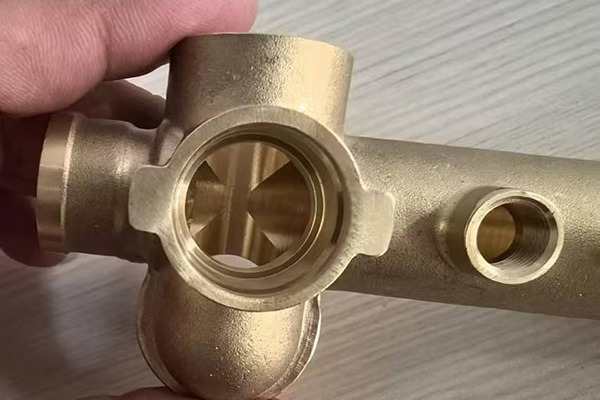
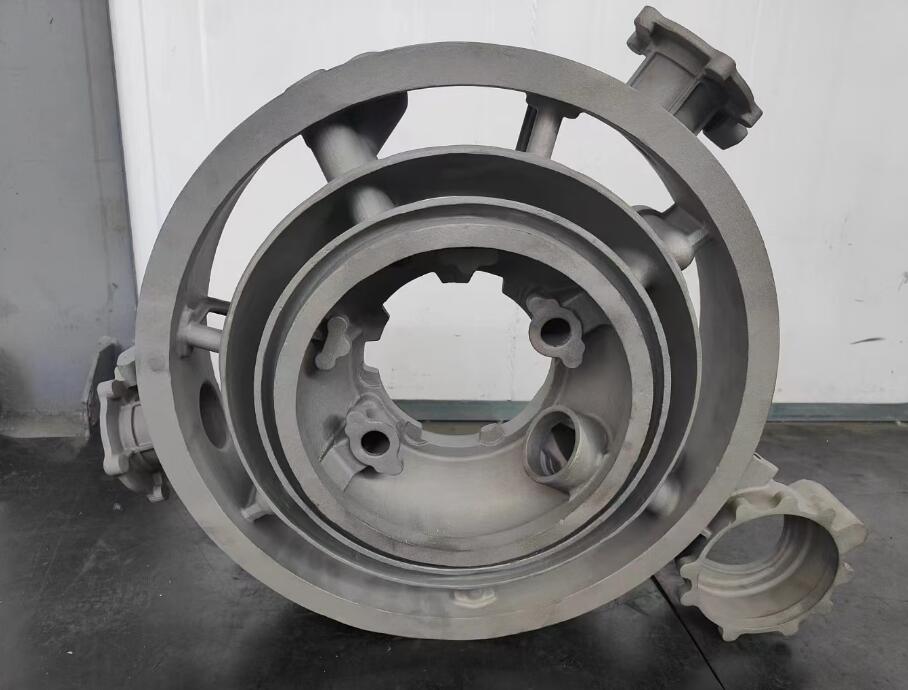
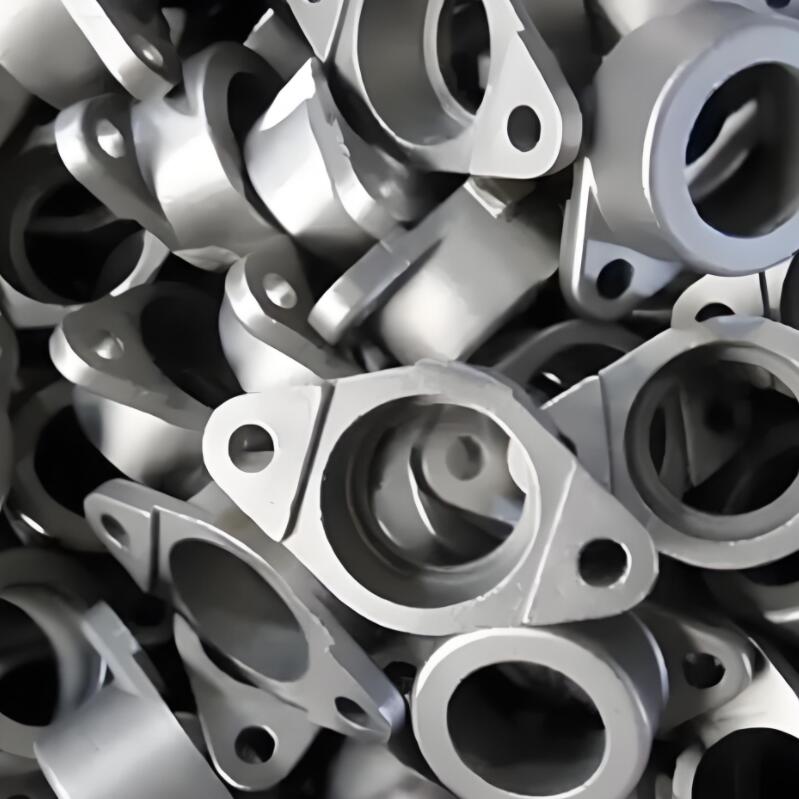
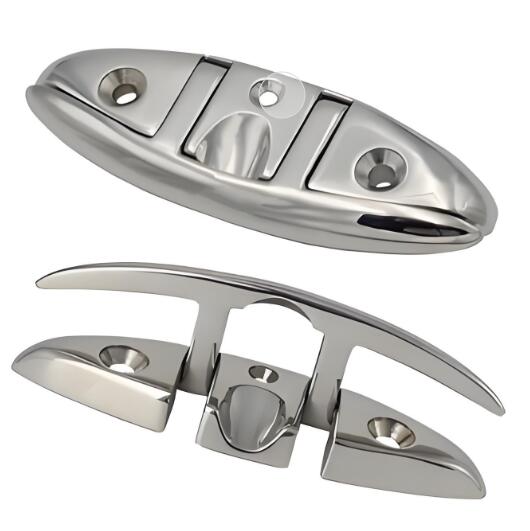
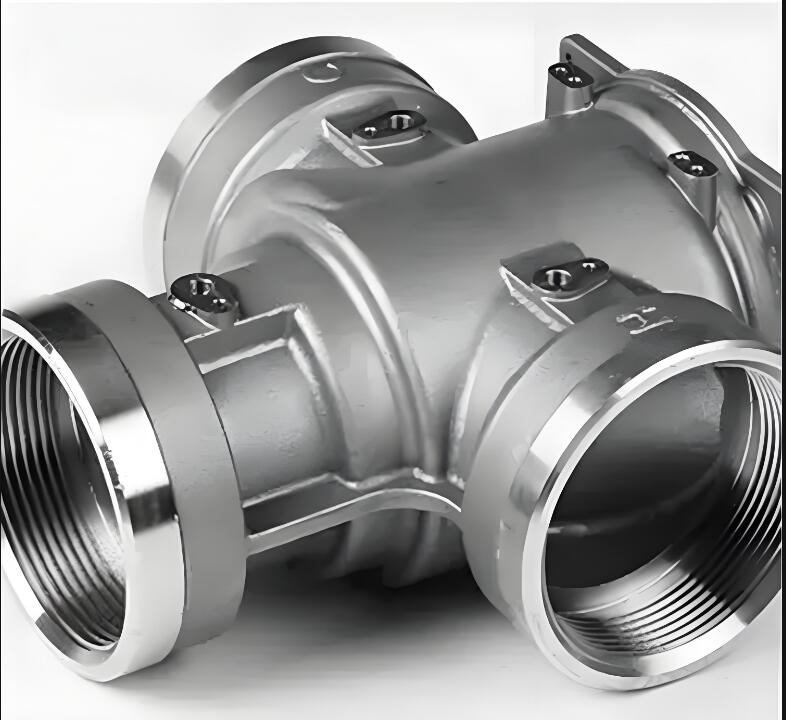
Investment casting process enables manufacturers to produce near-net-shape parts while minimizing machining, material waste, and assembly requirements. This process is particularly suitable for producing parts with:
- Complex geometries
- Thin walls
- Tight tolerances
- Smooth surface finishes
JC Casting provide professional investment casting solutions for customers across automotive, food machinery, industrial equipment, energy, and other demanding industries.
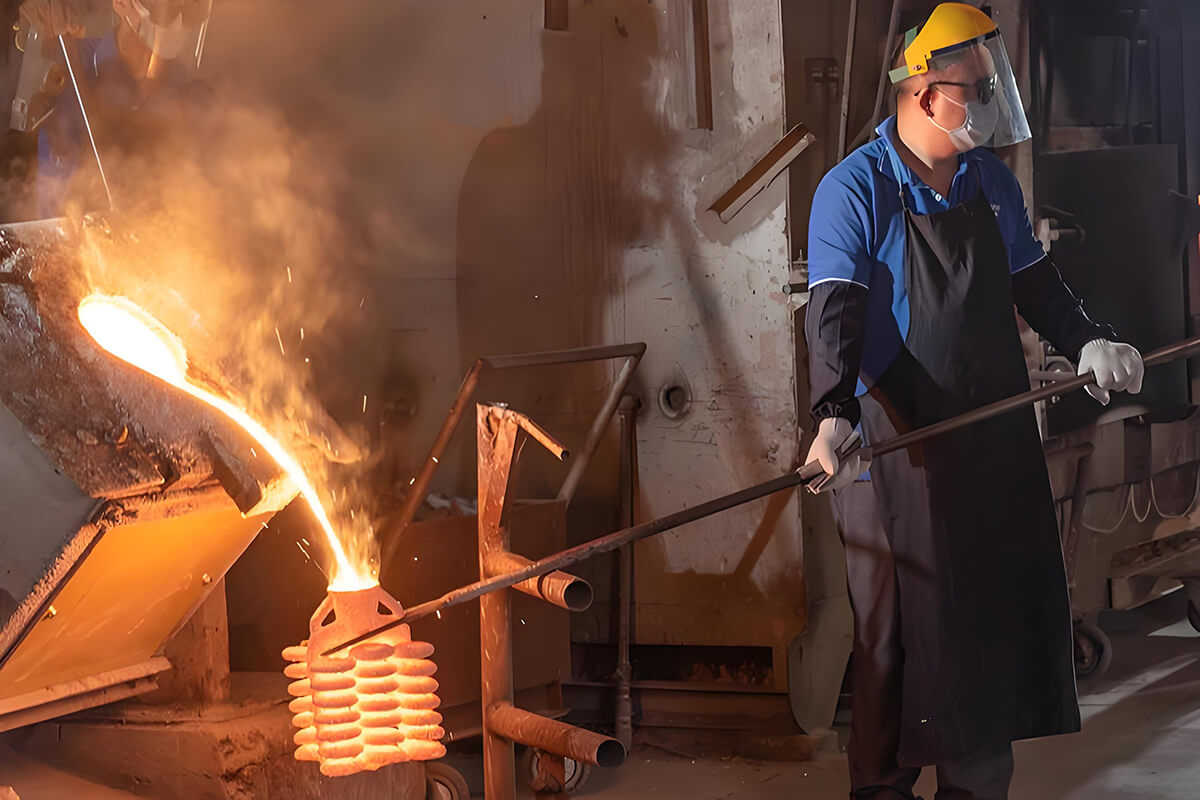
JC CASTING is a professional investment casting manufacturer based in China, providing reliable precision casting solutions for global customers. We operate both silica sol casting and water glass casting production lines to meet different accuracy, cost, and volume requirements. Our casting capabilities cover a wide range of materials, including carbon steel, stainless steel, alloy steel, and nickel-based alloys. In addition to investment casting, we also offer heat treatment, CNC machining, surface finishing, and complete secondary processing services, delivering one-stop solutions from casting to finished components.
How Investment Casting Works
Investment casting, also known as “lost wax casting,” is a precision manufacturing process that begins by coating the surface of a wax pattern with multiple layers of refractory material. Once the mold is fully hardened and dried, the wax pattern is melted and drained away, leaving behind a hollow shell. Molten metal is then poured into the shell, where it solidifies upon cooling to form the final part.
Due to its high dimensional accuracy and superior surface finish, investment casting is often referred to as “precision investment casting.” The process is versatile, allowing the casting of a wide range of materials, including carbon steel, alloy steel, heat-resistant alloys, stainless steel, copper alloys, aluminum alloys, titanium alloys, and nickel-based alloys.
The shapes of investment castings are generally complex, making it suitable for parts that require intricate geometry and fine details. At JC CASTING, we can cast parts with extremely small features, such as holes as small as 0.5mm in diameter and wall thicknesses as thin as 3mm. One of the significant advantages of investment casting is its ability to consolidate multiple parts into a single, integral casting. By optimizing the design, parts that would traditionally be assembled from separate components can now be produced as a single cast piece, reducing production time and material costs while making the structure more efficient.
Typically, investment castings range in weight from 20 grams to 100 kilograms. While larger castings are possible, they can become more challenging to produce. In such cases, sand casting may be a more suitable alternative for larger, heavier components.
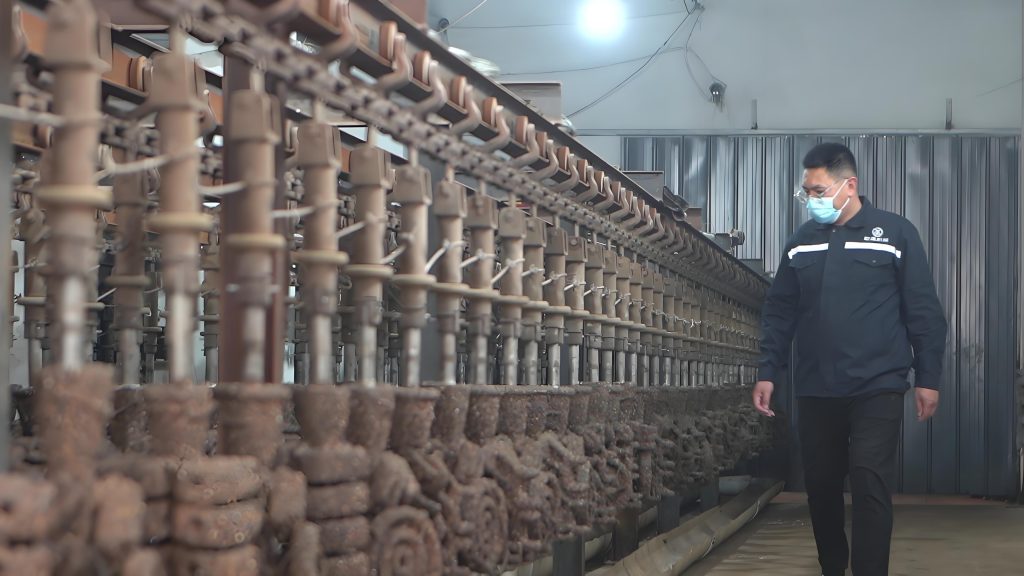
Core Investment Casting Capabilities.
Silica Sol Casting Process
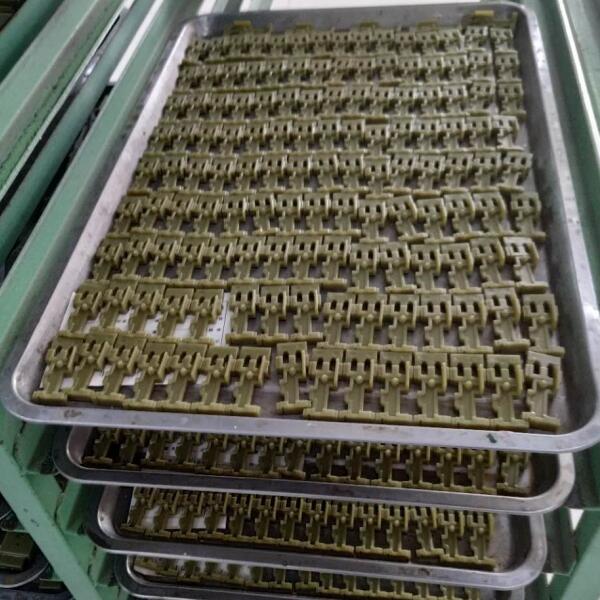
At JC Casting, silica sol cast parts achieve ISO 8062 CT4-CT6 linear tolerance and Ra6.3 surface finish. Though more costly than water glass casting, this process delivers better quality, and is mainly applied to manufacturing precision stainless steel parts and other high-precision steel components.
Water Glass Casting Process
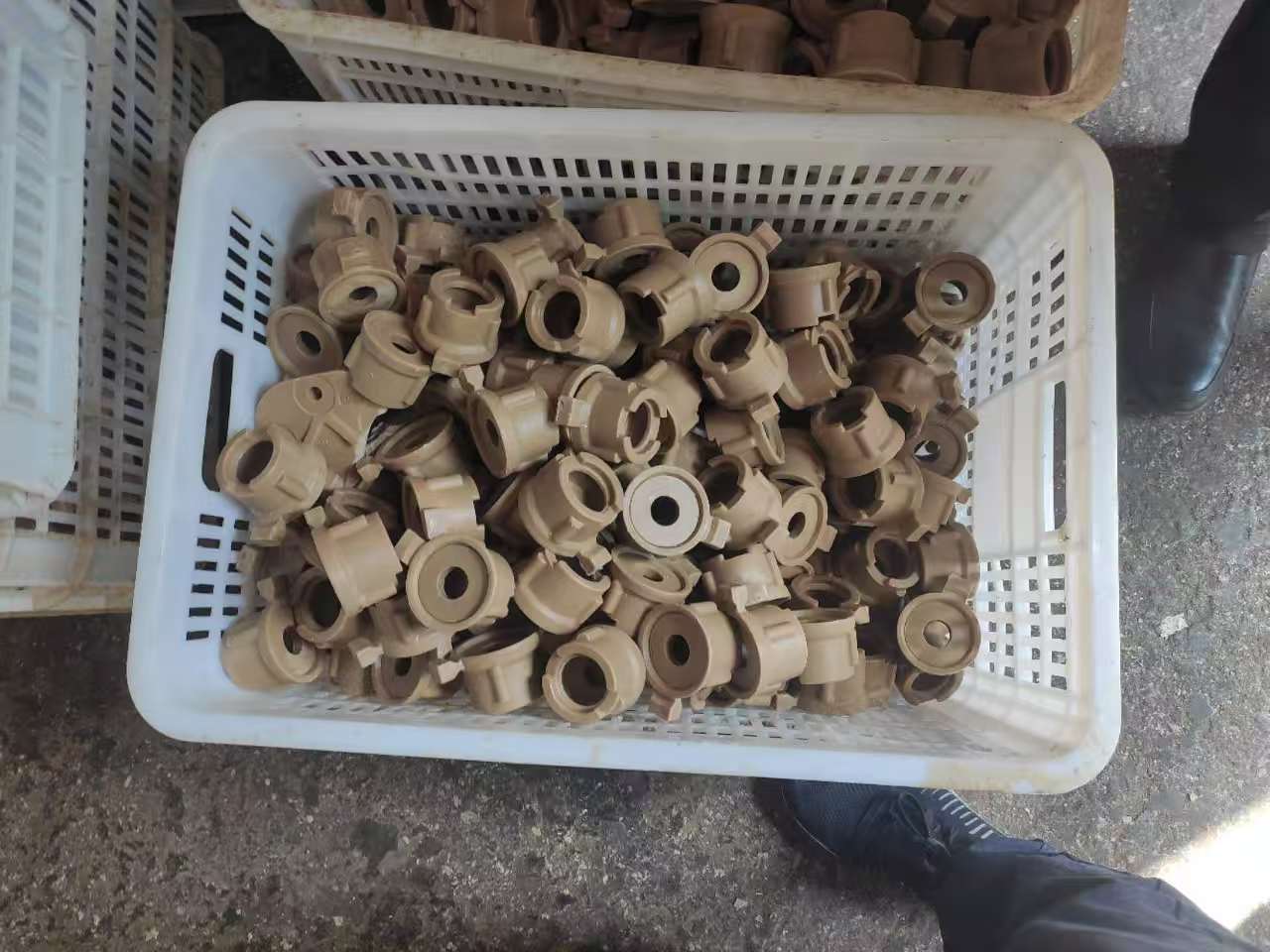
At JC Casting, water glass cast parts meet ISO 8062 CT7-CT8 linear tolerance and around Ra12.5 surface finish, and are widely used for excavator bucket teeth, adaptors, truck parts and agricultural machinery components.
Investment Casting Materials
|
Stainless steel |
Corrosion-resistant, with excellent toughness and oxidation resistance, ideal for precision cast parts in harsh environments. |
304, 316, 17-4PH,2205 |
|---|---|---|
|
Carbon Steel |
Cost-effective, with good machinability and tensile strength. Widely used for general precision cast parts in machinery and construction with moderate performance requirements. |
1018, 1045, A36 |
|
Alloy Steel |
Enhanced strength, hardness and wear resistance via added alloying elements. Suited for high-load, high-temperature precision components requiring stable mechanical performance. |
4140, 4340, H13 |
|
Copper Alloys |
Excellent thermal and electrical conductivity, with good corrosion resistance. Perfect for precision cast components in electrical, plumbing and marine industries. |
Brass C36000, Bronze C95400, Copper-Nickel C70600 |
|
Titanium Alloys |
High strength-to-weight ratio, with superior corrosion resistance. Ideal for lightweight precision cast parts in aerospace, medical implants and marine engineering. |
Ti-6Al-4V, Ti Grade 5, Ti Grade 2 |
|
Nickel Alloys |
Outstanding high-temperature and corrosion resistance, suitable for extreme working conditions like chemical processing and aerospace engine parts. Retains properties at elevated temperatures. |
Inconel 625, Incoloy 800H, Hastelloy C276 |
Surface Treatment Processes for Investment Casting
Surface treatment processes for investment casting are divided into two categories: post-casting cleaning processes and precision/performance enhancement processes. They aim to remove surface defects, improve finish or enhance component performance.
1. Basic Cleaning Processes
- Shot blasting/sandblasting. The most common basic treatment. High-speed pellets or sand impact the casting surface. It removes oxide scale, sand adhesion and casting burrs. It creates a uniform matte surface and improves coating adhesion.
- Vibratory finishing. Put castings and abrasives into a vibrating tank. Remove tiny burrs and loose sand via vibration friction. Suitable for batch processing of small, thin-walled castings.
- Pickling and passivation. For stainless steel, nickel alloys and other materials. Use acid solution to remove surface oxide layer. Form a passivation film to improve corrosion resistance.
2. Finish Enhancement Processes
- Mechanical grinding/polishing. Grind the surface with grinding wheels, sandpaper or polishing wheels. Improve surface finish from as-cast Ra6.3–Ra12.5 to Ra0.8–Ra3.2. Suitable for components requiring flatness.
- Chemical polishing. Use chemical agents to slightly etch the casting surface. Eliminate tiny uneven defects for a bright finish. No complex equipment needed. Suitable for castings with complex shapes.
- Electropolishing. Better effect than chemical polishing. Dissolve surface protrusions via electrochemical reaction. Achieve a finish of Ra0.2–Ra1.6. Commonly used for high-precision components like medical devices and food machinery.
3. Performance Enhancement Processes
- Carburizing/nitriding. Let carbon or nitrogen atoms penetrate the casting surface via high-temperature heat treatment. Improve surface hardness and wear resistance. Suitable for wear-prone components like gears and shafts.
- Coating treatment. Spray ceramic, plastic or metal coatings on the casting surface. Enhance corrosion and high-temperature resistance. Commonly used for components in aerospace and chemical industries.
Investment Casting Industries Served

Investment casting produces complex, high-strength parts like turbine blades, engine components, and aircraft structural components, offering precision and durability for extreme conditions.

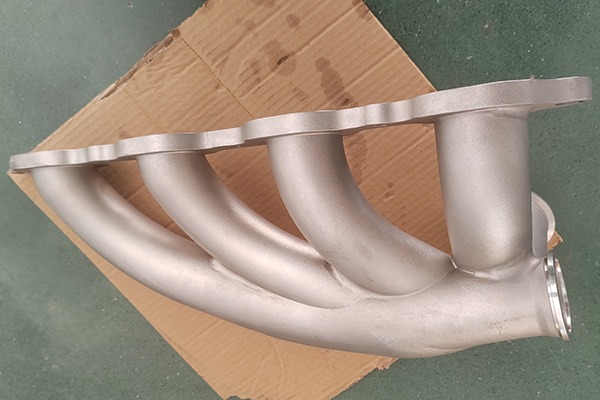
Investment casting is used for manufacturing engine components, transmission parts, and exhaust systems, providing intricate shapes and high-performance materials.

Surgical tools, implants, and orthopedic devices are often made using investment casting due to its precision and ability to create complex geometries.

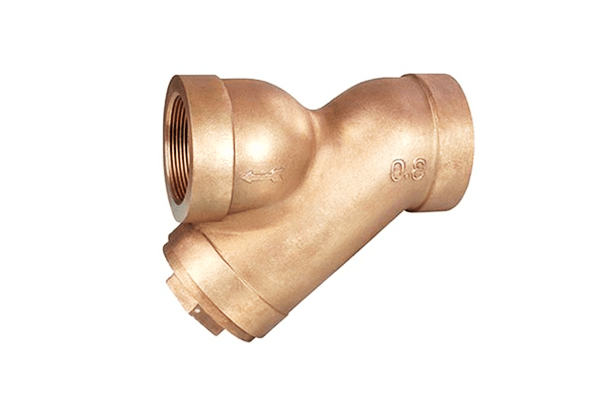
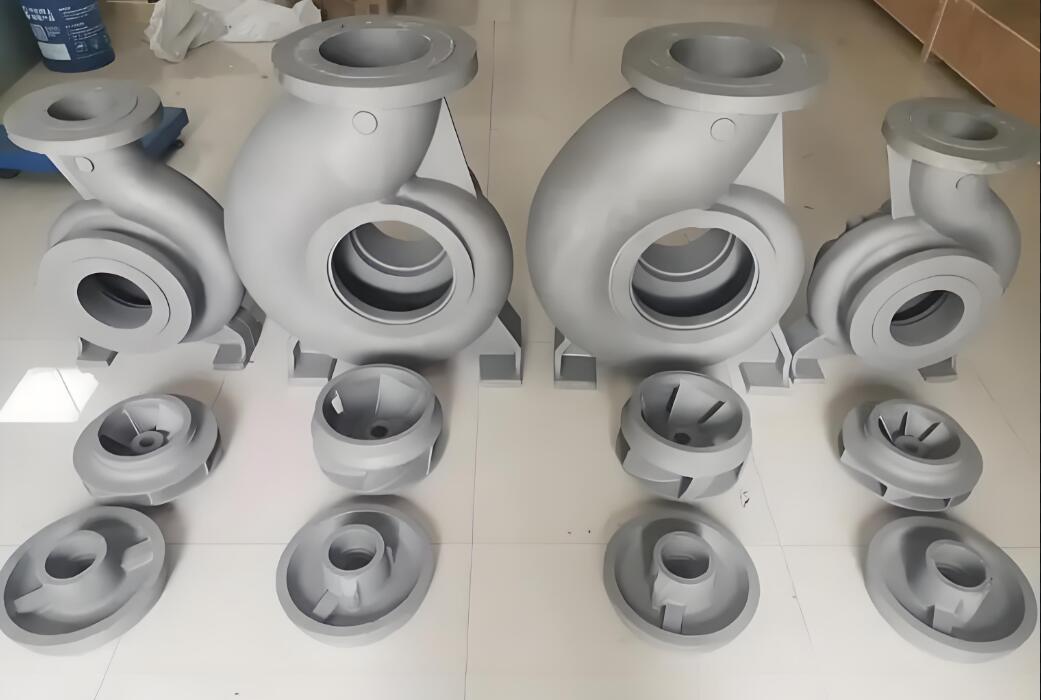
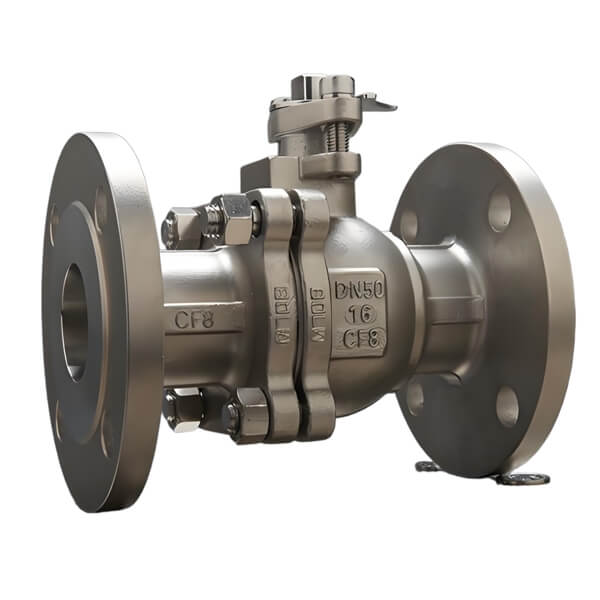
Investment casting helps produce valves, pumps, gears, and impellers, enabling manufacturers to create highly durable, intricate parts for heavy machinery.