
Sand casting is one of the most widely used metal casting processes for producing large-sized, heavy, and structurally robust components. It is especially suitable when part dimensions, weight capacity, and cost efficiency are more critical than tight tolerances or surface finish.
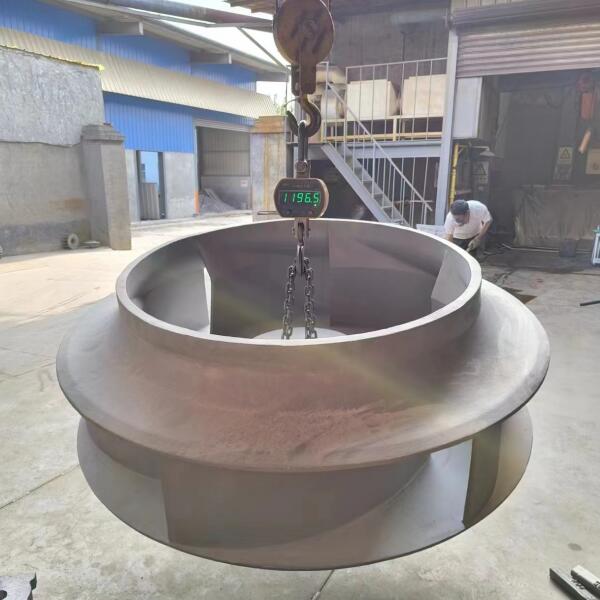
JC Casting is a China Sand Casting Foundry. We have rich experience in manufacturing sand castings for different industries all over the world. We fully understand how to make sand casting to meet your demand and your industry. We can cast sand casting parts up to 2 metric tons. The casting materials can be an aluminum alloy, ductile iron, gray iron brass alloy.We offer rapid prototype services, high precision CNC machining, secondary operations. Serviced industries including automotive, petrochemical, electrical, energy, transportation, mining.
We pride ourselves on our equipment and expertise to do any work efficiently and at a cost-effective price.
What Is Sand Casting?
Sand casting is also known as sand molded casting. It is a process that uses sand molds to form metal castings. Firstly, form a 3D pattern of sand by mold. Then pour the molten metal into the mold cavity for solidification. Finally, remove the sand shell to get the metal components cooled and formed. If needed, it can be a secondary machining process after casting.
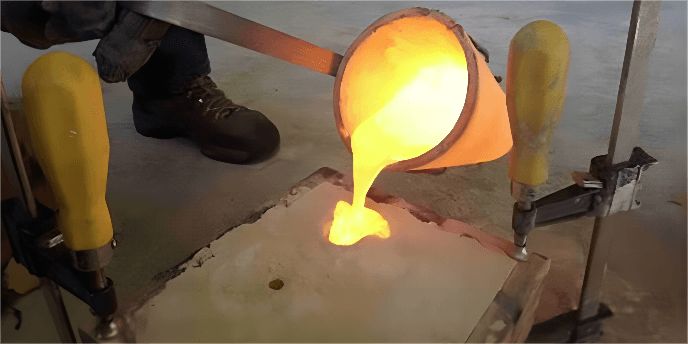
This process allows:
- Flexible mold size
- Minimal tooling cost
- High adaptability to large and complex structures
Because of these characteristics, sand casting is widely used for large industrial components and heavy-duty applications.
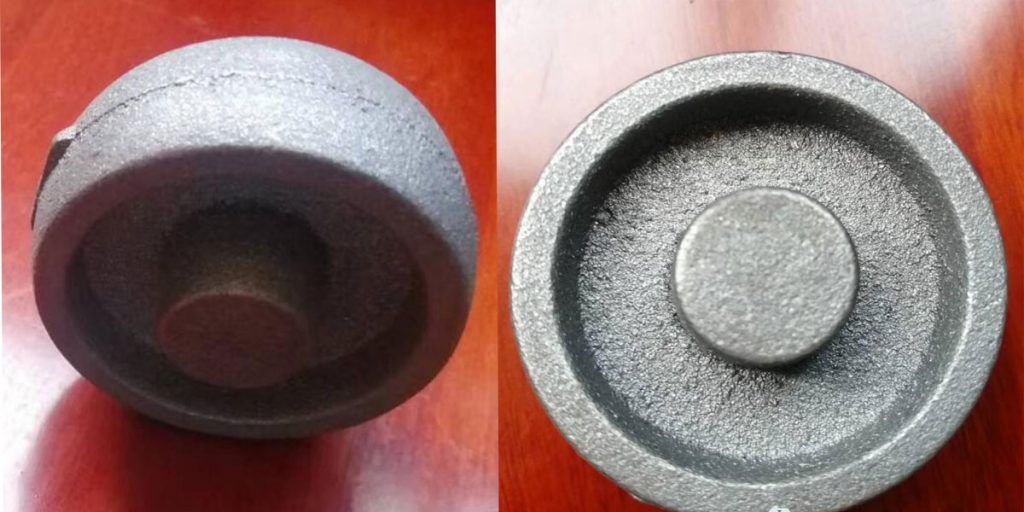
Sand casting can cast almost any metal and alloy. Including iron, Carbon steel, Aluminum, alloy steel, titanium alloy. The weight range can be from a few ounces to tons. Sand casting is a cost-effective and efficient technology. Not only on casting size but also in a complicated geometry design.
What is Sand Casting Process
Step1: Mold-building
Creating a mold is the first step in the sand casting process. Each casting needs a mold. A sand mold is formed by putting the sand into each half of the mold. The sand is stacked around the pattern, which is a replica of the shape of the casting. When the pattern is removed, the cavity forming the casting remains. Any internal features of castings that cannot be formed by the pattern are formed by separate cores made of sand before forming the mold. Mold making time includes positioning patterns, packaging sand and remove the pattern. Mold manufacturing time by the size of components, the number of cores and the impact of sand. Lubricant is typically applied to the surface of the mold cavity to facilitate removal of the casting. The use of lubricants also improves the flow of the metal and can improve the surface finish of the castings. The lubricant used is selected based on the temperature of the sand and the molten metal.
Step 2: Pouring
After the mold is made, it must be prepared to pour the molten metal. First, the surface of the cavity is lubricated in order to remove the castings after casting. Then, the core is positioned and the mold halves are closed and securely clamped together. It is necessary to keep the mold half sealed to prevent any loss of material. The molten metal is kept at the set temperature in the furnace. After the mold is clamped, the molten metal can be cast from the holding vessel in the furnace and poured into the mold. Pouring can be done manually or by automated machines. Sufficient molten metal must be poured to fill the entire cavity and all channels in the mold. Filling time is very short, to prevent the early curing of any part of the metal.
Step 3 : Solidifying
Once poured into the mold, molten metal begins to cool and solidify. When the entire cavity is filled and the molten metal solidifies, the final shape of the casting is formed. Until the end of cooling time, the mold can be opened. The cooling time required can be estimated from the wall thickness of the casting and the temperature of the metal. Most of the possible defects are the result of the solidification process. If some molten metal cools too quickly, the part may shrink, crack or incompletely. Precautions can be taken when designing parts and molds.
Step4: Removal
After a predetermined set time, the sand mold can simply be broken and the castings removed. This step, sometimes referred to as getting rid of sand, is usually shaken by a vibrating machine and burned out of the bottle. Once removed, the castings may have some sand and oxide adhering to the surface. Blasting is sometimes used to remove residual sand, especially from the inside surface, and to reduce the surface roughness.
Step 5 : Cutting
During cooling, the material from the mold channels solidifies on the part. These extra material must be manually trimmed by cutting or sawing or using a trimming machine. The time it takes to trim excess material can be estimated from the size of the casting. Larger castings require longer dressing times. Waste from this trimming is discarded or reused during sand casting. However, it may be necessary to remediate appropriate chemicals for scrap before it is used in conjunction with non-recycled metals.
Sand casting is the preferred choice when part size and cost efficiency outweigh precision requirements.
Advantages of Sand Casting
Sand Casting vs Investment Casting
| Aspect | Sand Casting | Investment Casting |
|---|---|---|
| Maximum Part Size | Very large | Limited |
| Single Part Weight | High | Low to medium |
| Surface Finish | Rougher | Smooth |
| Dimensional Accuracy | Moderate | High |
| Tooling Cost | Low | Higher |
Sand Casting Materials
JC Sand casting services are applied to a wide range of metals. With professional knowledge,we can know your project requirements and suggest the most appropriate alloys for your specific application.
Ferrous and non-ferrous materials are available for JC Sand Casting Process. Including Aluminum Alloys, Carbon Steel Steel (BS3100), Grey Iron (BS EN1561), Dutile Iron (BS EN 1563), Bronze Alloys.
| Alloy Types | Typical Grade | Application Market |
| White Irons Ni Hard, Hi-Chrome, Ni Resist | Ni Hard 1,Hi-Chrome 15,Hi-Chrome 20,Ni Resist D-2 | Mining, Crushing, Aggregate Processing, Cement, Pump Parts |
| Bronzes | C5191, C90300、C90500、C90700 | Pump & Valve, Electrical, Lighting, Food Processing Equipment, Marine, Defence |
| Ductile Iron,Gray Iron | ASTM A536,ASTM A439,ASTM A48 , | Automotive, Pipe Fittings, Valves, Hydraulic Components, Bearings |
| Martensitic Stainless Steel, Austenitic Stainless Steel, Duplex Stainless Steel | 304,304L,306,306L,17-4,2205, | Marine, Pump & Valve, Hydraulic components |
| Alloy Steel, Low Alloy Steel, Carbon Steel | AISI 4140,AISI 4340,ASTM A36,ASTM A1011,ASTM A516,ASTM A106 | Construction, Transmission, Fasteners |
Secondary Operations of Sand Casting
- Grinding, drilling, tapping, painting, shot blasting
- High precision machining
- Heat treatment
- Assembly
Typical Applications of Sand Casting
Sand casting is commonly used for:
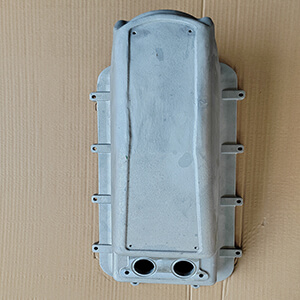
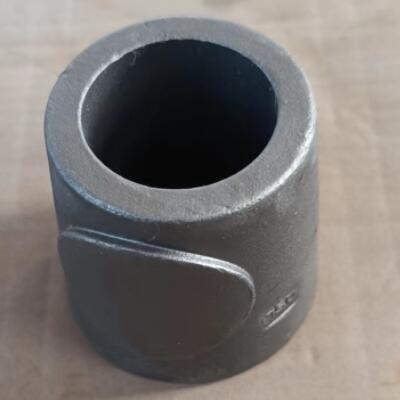
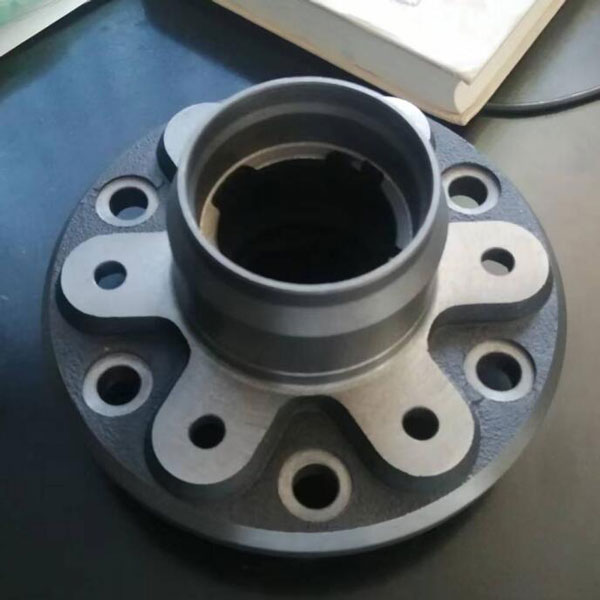
- Pump housings and casings
- Large valve bodies
- Machinery bases and frames
- Gear housings and structural components
- Construction and mining equipment parts
These components often require size capacity and durability, rather than fine surface finish.
Why Choose JC Casting for Sand Casting?
JC Casting is an experienced sand casting manufacturer, capable of producing large and heavy cast components for industrial applications.
Our strengths include:
- Capability to handle large mold sizes and heavy castings
- Stable quality control for structural components
- Flexible material selection based on application needs
- Engineering support from design review to delivery
We focus on practical manufacturability, cost efficiency, and reliable delivery, rather than unnecessary process complexity.
Is Sand Casting the Right Solution for Your Project?
Sand casting may be the optimal solution if:
- Your part size exceeds the limits of investment casting
- Cost control is a primary concern
- Functional strength matters more than surface appearance
JC Casting’s engineering team can evaluate your drawings and recommend the most suitable casting process.
? Contact us today to discuss your sand casting requirements.
If You Are Looking for a Reliable Precision Casting Supplier?
Now just tell us what you need. The Exclusive Plan will be delivered immediately.
No matter from Mold, Product Design, Technology Choosing, Cost Control, we have rich experience and professional engineer!
Email: info@jccasting.com
24 Hours WhatsApp: +86 181 054 67890