Alloy Steel Casting Foundry for High-Performance Industrial Applications
JC Casting is a professional alloy steel casting foundry and alloy steel casting factory, specializing in the production of high-strength and high-performance alloy steel castings for demanding industrial applications.
As an experienced alloy steel casting company, we supply reliable alloy steel cast components to valve manufacturers, pump manufacturers, and industrial equipment OEMs worldwide. JC Casting works as a long-term alloy steel casting supplier for customers requiring enhanced mechanical properties, wear resistance, and controlled quality.
What is Alloy Steel Casting
Alloy steel casting is a steel casting process. Alloy steel casting is a manufacturing process in which molten steel alloyed with elements such as chromium, molybdenum, nickel, or manganese is poured into molds to produce components with improved strength, toughness, and wear resistance.
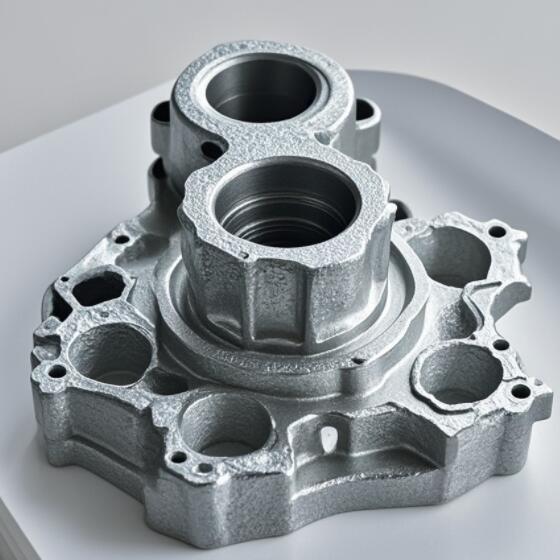
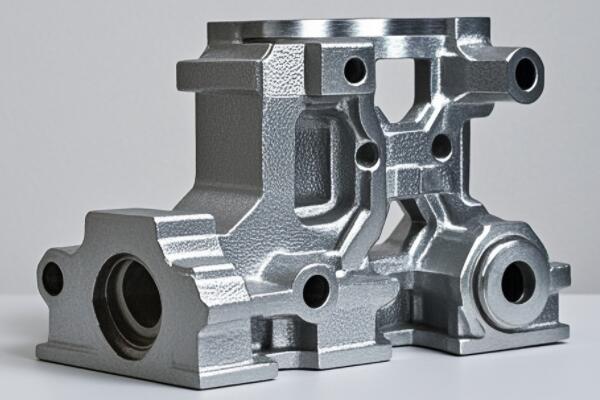
Compared with carbon steel castings, alloy steel castings are selected when applications require higher mechanical performance, fatigue resistance, or resistance to elevated temperature and pressure. As a dedicated alloy steel casting factory, JC Casting produces alloy steel components for critical service conditions.
Advantages of Alloy Steel Casting
- Excellent mechanical properties: high hardness and wear resistance
- Design flexibility, metallurgical versatility, and large weight and size range
- Good weldability and workability.
- Outstanding corrosion resistance, thermal and electrical conductivity
- Fully recyclable.
Alloy Steel Grades for Casting
Strictly speaking, every type of steel can be regarded as an alloy. However, not all steels are “alloy steels”. The simplest form of steel is an alloy composed of iron (Fe) and carbon (C). With carbon content ranging from approximately 0.1% to 1%, depending on the specific type of steel. But, the term “alloy steel” specifically efers to steels with other alloying elements added deliberately in addition to the carbon.
Manganese (the most common one), nickel, chromium, molybdenum, vanadium, silicon, and boron are the common alloying elements.
Aluminum, cobalt, copper, cerium, niobium, titanium, tungsten, tin, zinc, lead, and zirconium are included in the category of less common alloying elements.
Common Alloy Steel Grades
- AISI 4140 / 4130
- AISI 4340
- ASTM A148 (High-strength alloy steel castings)
- Low-alloy and medium-alloy steel grades
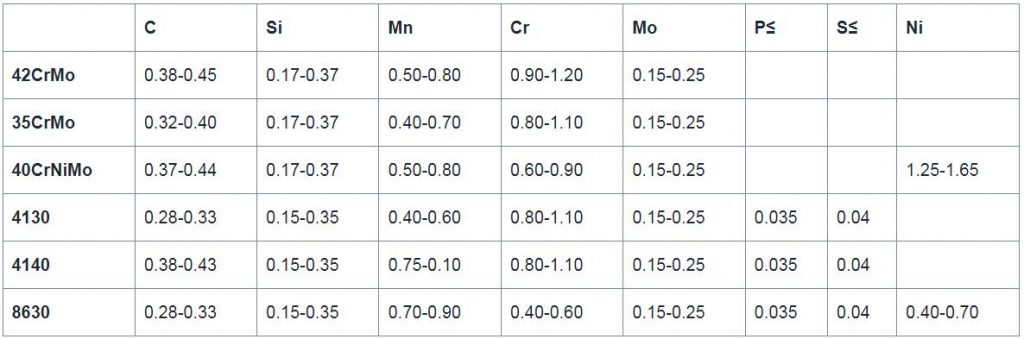
Below are the common Alloy Steel Grades and their chemical composition
Besides the Basic Alloy Steel Castings Product, we can supply
- chrome alloy castings,
- copper-nickel alloy casting,
- copper-zinc alloy castings,
- gold alloy castings,
- nickel alloy castings,
- high alloy castings,
- titanium castings
- high nickel alloy castings.
Alloy Steel Casting Processes We Use
Selecting the correct casting process is essential for achieving the desired mechanical properties. As a professional alloy steel casting company, we provide multiple process options.
Investment Casting (Lost Wax Casting)
Investment casting is used for:
- Complex geometries
- Higher dimensional accuracy
- Reduced machining allowance
This process is suitable for precision alloy steel components requiring controlled tolerances.
Sand Casting
Sand casting is the most common process in our alloy steel casting foundry, especially for:
- Large and heavy components
- Thick-walled structures
- Load-bearing and pressure-related parts
Our engineering team recommends the most appropriate process based on part size, geometry, and performance requirements.
Typical Applications & Industries
JC Casting supplies alloy steel castings as a reliable alloy steel casting supplier to industries including:
- High-pressure valve bodies and valve components
- Pump casings and impellers
- Mining and construction equipment parts
- Power generation components
- Heavy machinery and structural components
Each application is evaluated to ensure that alloy steel casting provides the required performance margin.
Dimensional Accuracy & Surface Finish
Our alloy steel casting factory produces castings with controlled tolerances suitable for both precision and heavy-duty applications.
- Investment cast alloy steel parts suitable for near-net shape production
- Sand cast alloy steel components optimized for structural integrity
- Machining allowance controlled to balance accuracy and cost
This approach ensures functional reliability while optimizing total manufacturing cost.
Quality Standards & Inspection
As a professional alloy steel casting foundry, JC Casting follows strict quality control procedures.
Supported standards include:
- ASTM / AISI / EN / DIN
Inspection capabilities include:
- Chemical composition analysis
- Mechanical property testing
- Dimensional inspection
- NDT (available upon request)
These controls ensure alloy steel castings meet both design and service requirements.
Cost & Lead Time Considerations
Alloy steel casting is typically selected for performance-critical components rather than lowest initial cost.
As an experienced alloy steel casting company, we help customers optimize:
- Material grade selection
- Casting process
- Heat treatment requirements
- Machining scope
This results in predictable lead times and competitive total cost of ownership.
Secondary Operations & One-Stop Service
To support complex projects, our alloy steel casting factory provides integrated services including:
- Heat treatment
- CNC machining
- Surface finishing
- Assembly support (if required)
This one-stop service model reduces coordination effort and project risk.
Why Choose JC Casting as Your Alloy Steel Casting Supplier?
- Dedicated alloy steel casting foundry with export experience
- Expertise in high-strength and performance-critical components
- Stable quality control and inspection systems
- Engineering support from material selection to final delivery
- Reliable alloy steel casting supplier for USA and European markets
JC Casting focuses on long-term partnerships built on technical reliability.
Alloy Steel Casting vs Carbon Steel Casting
Alloy steel casting is preferred when:
- Higher strength and toughness are required
- Components operate under high load, pressure, or fatigue conditions
- Service environment exceeds standard carbon steel limits
Carbon steel casting remains suitable for general-purpose applications with lower performance demands.
Frequently Asked Questions
What is the advantage of alloy steel casting?
Alloy steel castings provide improved mechanical performance, wear resistance, and service life compared to carbon steel.
Is alloy steel casting suitable for heavy-duty applications?
Yes. Properly selected alloy steel grades are widely used in high-load and pressure-bearing components.
What is the typical lead time for alloy steel castings?
Lead time depends on material grade, heat treatment, and machining scope.
Get a Quote from an Alloy Steel Casting Foundry
Looking for a reliable alloy steel casting foundry, alloy steel casting factory, or alloy steel casting supplier? JC Casting is ready to support your project with professional engineering and manufacturing services.
Send us your drawings or specifications to receive a technical evaluation and quotation from an experienced alloy steel casting company.