
What Is Container Corner Casting?
Container corner casting is a high-strength cast steel component installed at the eight corners of an ISO shipping container. It serves as the primary structural connection point for lifting, stacking, securing, and transporting containers throughout the global logistics system.
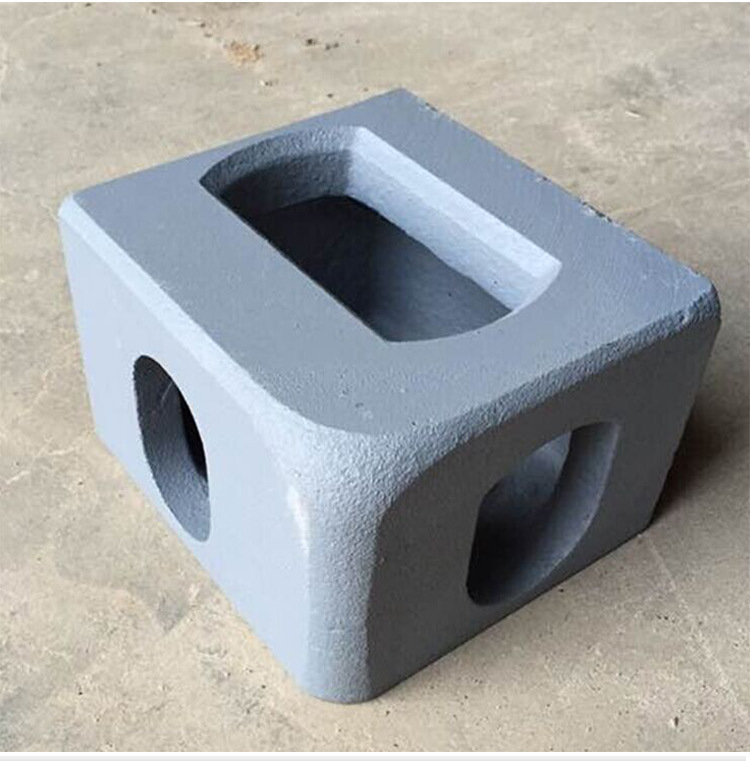
Every standard shipping container is equipped with eight corner castings that allow cranes, twist locks, spreaders, chassis, railcars, and container ships to safely handle the container during transportation.
Without container corner castings, containers could not be securely lifted, stacked, or connected to transportation equipment.
Why Are Container Corner Castings Important?
Container corner castings are the most critical load-bearing components of a shipping container.
They perform several essential functions:
- Lifting containers by cranes
- Stacking containers in ports and yards
- Securing containers on ships
- Connecting containers to trailers and railcars
- Transferring loads throughout the container structure
Because all handling forces are transmitted through the corner castings, these components must meet strict international standards and mechanical property requirements.
What Standard Governs Container Corner Castings?
The international standard for container corner castings is:
ISO 1161
ISO 1161 specifies:
- External dimensions
- Opening dimensions
- Position tolerances
- Load requirements
- Functional compatibility
The purpose of ISO 1161 is to ensure that every container can be handled by standard equipment anywhere in the world.
As a result, container corner castings manufactured in different countries remain interchangeable.
How Many Corner Castings Are Used on One Container?
A standard shipping container requires eight corner castings.
Top Corner Castings
- Top Front Left
- Top Front Right
- Top Rear Left
- Top Rear Right
Bottom Corner Castings
- Bottom Front Left
- Bottom Front Right
- Bottom Rear Left
- Bottom Rear Right
Together, these eight corner fittings form the primary structural connection points for the container.
What Materials Are Used for Container Corner Castings?
Container corner castings are typically manufactured from high-strength cast steel.
Common materials include:
SCW480 Cast Steel
Benefits:
- Excellent weldability
- High toughness
- Good fatigue resistance
SCW490 Cast Steel
Benefits:
- Higher tensile strength
- Better impact performance
- Longer service life
ASTM A27 Cast Steel
Benefits:
- Internationally recognized standard
- Reliable mechanical properties
- Suitable for export markets
These materials provide the strength necessary to support extremely heavy loads during container handling operations.
How Are Container Corner Castings Manufactured?
The manufacturing process involves several critical steps:
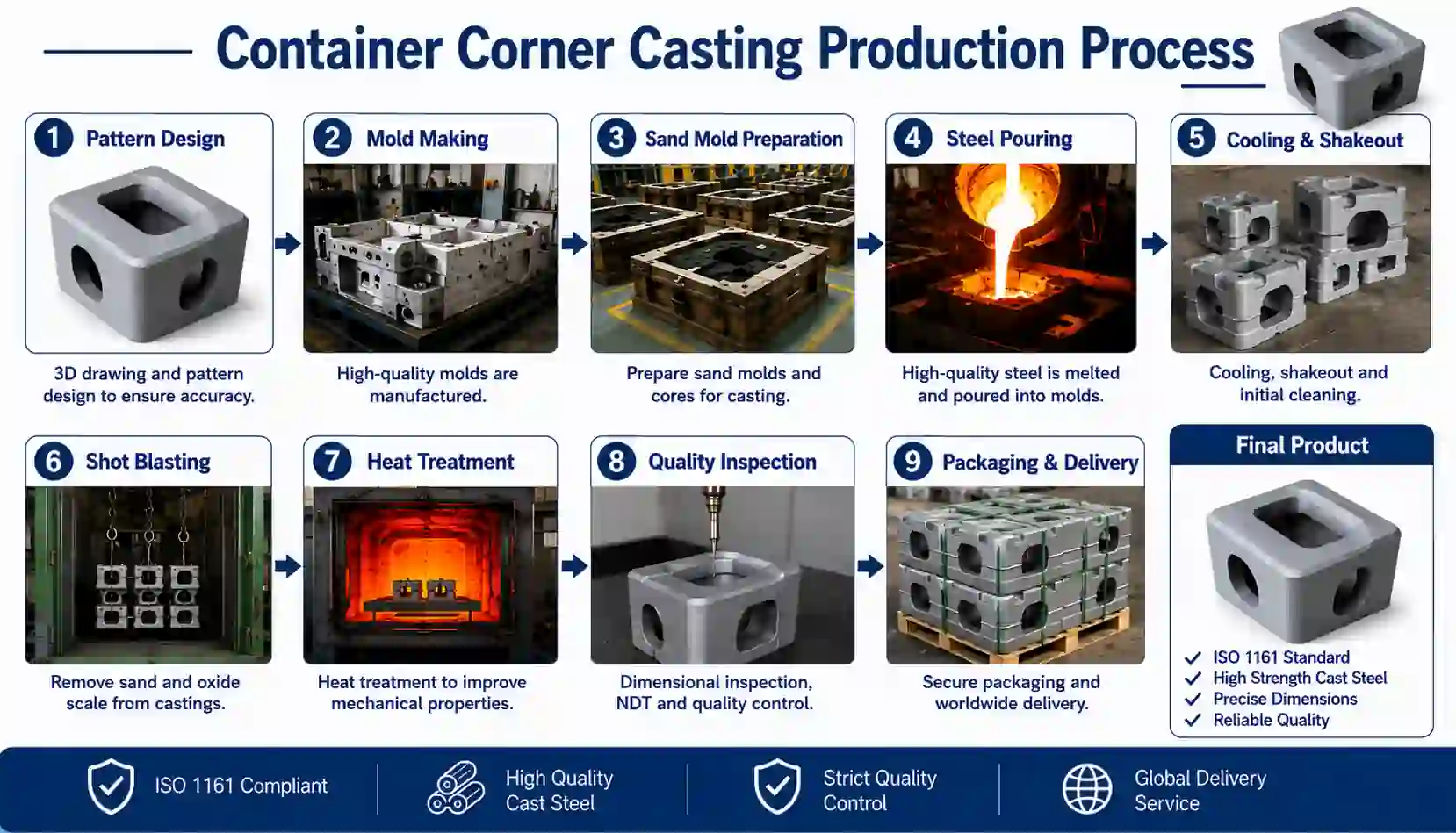
1. Pattern Design
Engineering drawings and tooling development.
2. Mold Making
Production of casting molds.
3. Sand Mold Preparation
Preparation of molds and cores.
4. Molten Steel Pouring
Liquid steel is poured into the mold cavity.
5. Cooling and Shakeout
Castings are removed from the molds after solidification.
6. Shot Blasting
Surface cleaning and scale removal.
7. Heat Treatment
Improvement of mechanical properties.
8. Quality Inspection
Dimensional inspection and testing.
9. Packaging and Delivery
Finished products are packed for shipment.
Strict process control ensures compliance with ISO 1161 requirements.
Typical Dimensions of Container Corner Castings
Although minor variations may exist, ISO 1161 standard dimensions are approximately:
| Dimension | Value |
|---|---|
| Length | 178 mm |
| Width | 162 mm |
| Height | 118 mm |
| Weight | Approximately 11 kg |
These dimensions allow compatibility with global container handling equipment.
Applications of Container Corner Castings
Container corner castings are widely used in:
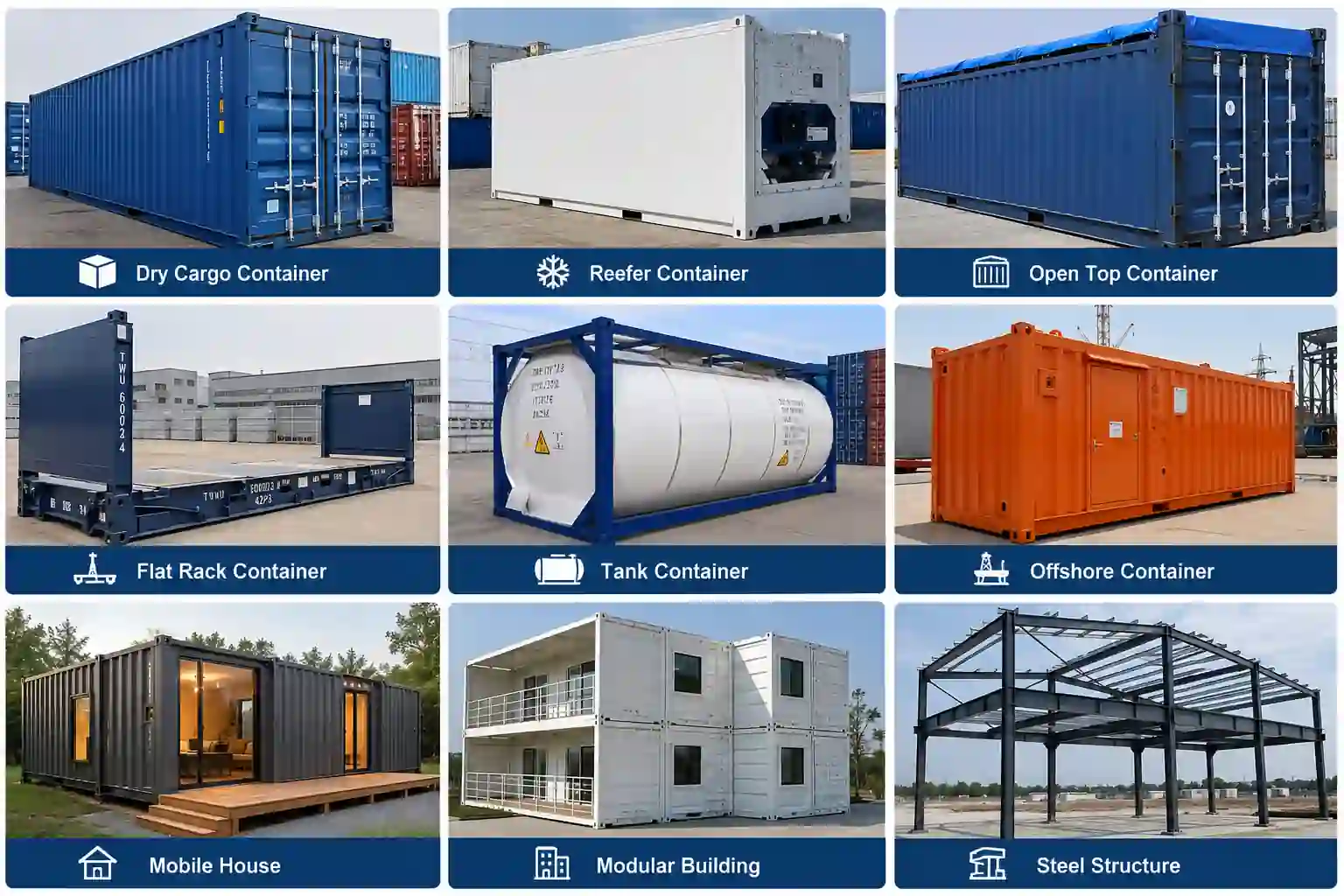
Shipping Containers
Dry cargo containers and standard freight containers.
Reefer Containers
Temperature-controlled containers.
Tank Containers
Liquid and gas transportation.
Offshore Containers
Oil and gas industry applications.
Flat Rack Containers
Heavy cargo transport.
Open Top Containers
Oversized cargo transportation.
Modular Buildings
Container-based housing and offices.
Military Logistics Containers
Defense transportation systems.
Why Choose a Certified Container Corner Casting Supplier?
Purchasing certified corner castings helps ensure:
- Compliance with ISO 1161
- Consistent quality
- Better load-bearing capacity
- Longer service life
- Reduced maintenance costs
- Improved transportation safety
Reliable manufacturers can also provide:
- Material certificates
- Inspection reports
- Third-party certifications
- Export documentation
Frequently Asked Questions (FAQ)
How many corner castings are on a container?
A standard ISO shipping container uses eight corner castings—four at the top corners and four at the bottom corners.
Why are corner castings important?
Corner castings transfer all lifting, stacking, and securing loads between the container and handling equipment, making them the most critical structural component of the container.
What material is used for container corner castings?
Most container corner castings are made from high-strength cast steel such as SCW480, SCW490, or ASTM A27 grades.
What is ISO 1161?
ISO 1161 is the international standard that specifies the dimensions, tolerances, and performance requirements of container corner castings.
How much does a corner casting weigh?
A standard ISO 1161 container corner casting typically weighs approximately 11 kilograms, depending on the manufacturer and design.
Can corner castings be repaired?
Minor defects can sometimes be repaired through approved welding procedures. However, severely damaged corner castings should generally be replaced to maintain structural integrity.
How are corner castings manufactured?
They are typically produced through cast steel manufacturing processes that include mold making, steel pouring, heat treatment, inspection, and packaging.
How do you replace a container corner casting?
Replacement usually involves removing the damaged casting, welding in a certified replacement, and conducting dimensional and structural inspections.
Are all corner castings standardized?
Most international shipping containers use ISO 1161 standardized corner castings, ensuring compatibility with global transportation and handling systems.
Container corner castings are the foundation of modern container transportation. Manufactured according to ISO 1161 standards, these high-strength cast steel components enable safe lifting, stacking, securing, and transportation of shipping containers worldwide.
Whether used in dry containers, reefer containers, offshore containers, or modular buildings, high-quality corner castings are essential for operational safety and long-term performance.
If you are looking for a reliable Container Corner Casting Manufacturer or Supplier, choosing a company with ISO-compliant production, strict quality control, and global export experience is critical for project success.